


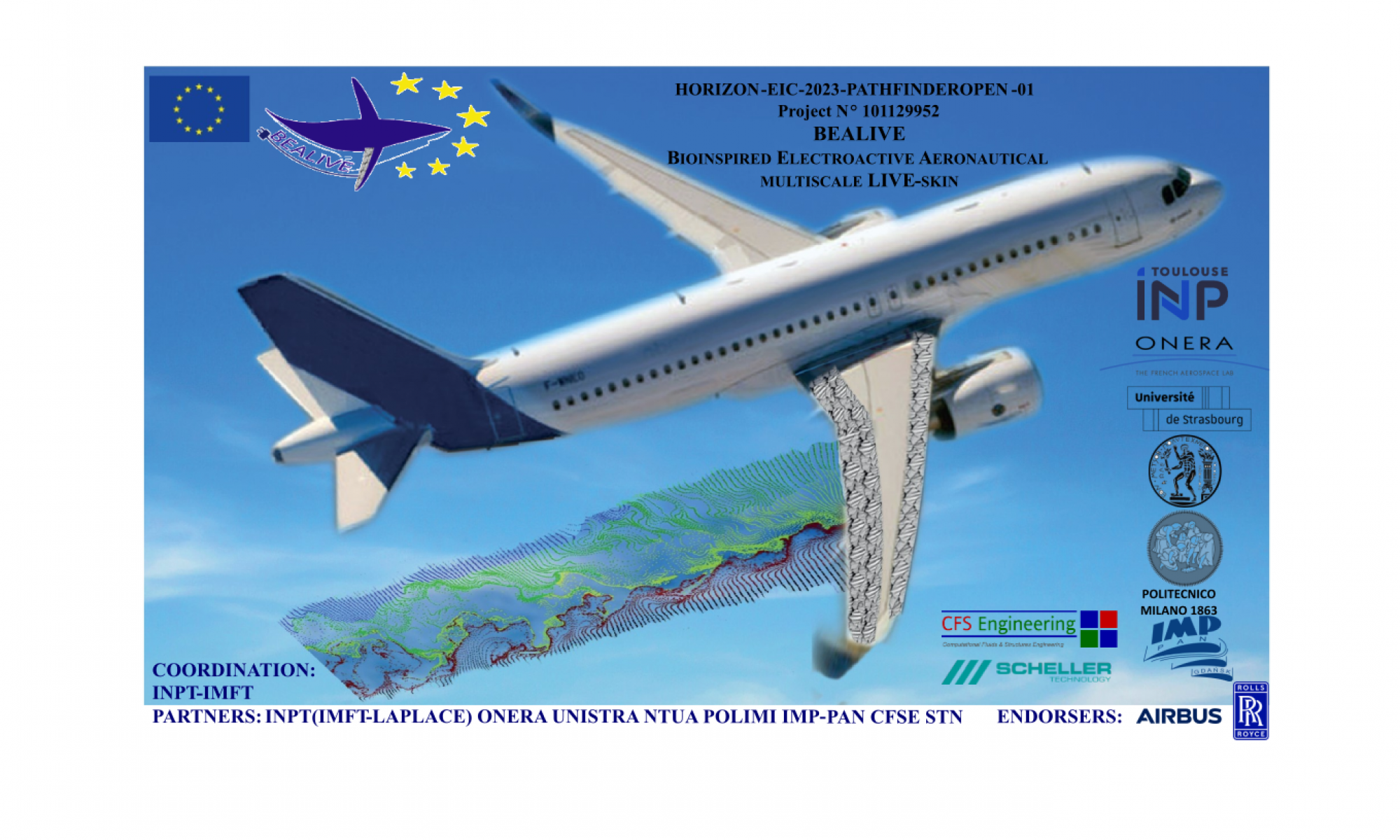
BIOINSPIRED ELECTROACTIVE AERONAUTICAL MULTISCALE LIVE-SKIN
co-chaired by Marianna Braza and Yannick Hoarau: https://wccm-eccomas2026.org/event/area/a4d69690-be45-11f0-a555-000c29ddfc0c
with 5 oral presentations devided in STS425A: https://wccm-eccomas2026.org/event/session/7505019e-4163-11f1-986a-000c29ddfc0c whose first was a Keynote and STS425B, https://wccm-eccomas2026.org/event/session/ce3055bd-41a0-11f1-986a-000c29ddfc0c . These sessions inlcuded also two other contributions outside of the project.
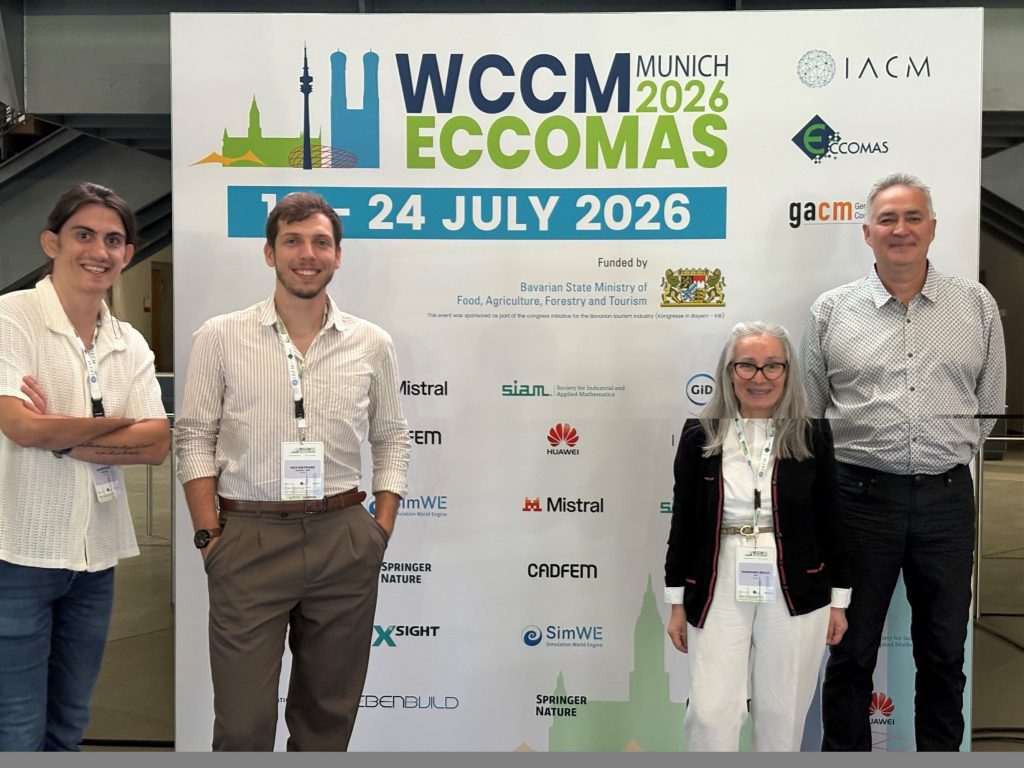


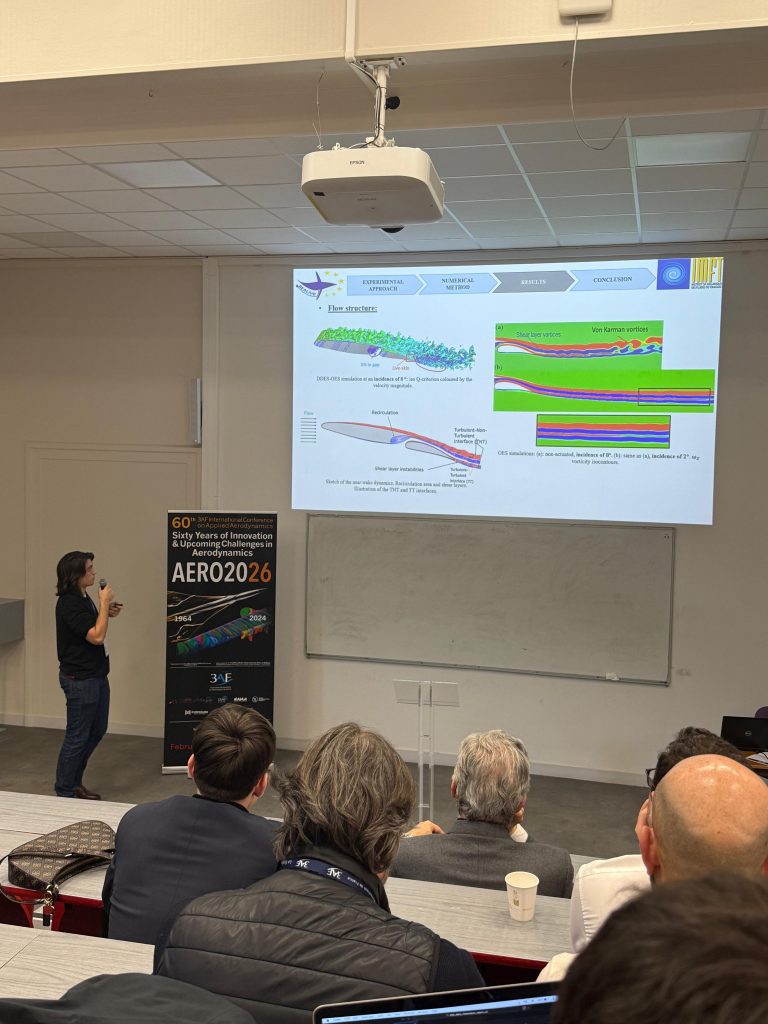


Session: Innovative electroactive morphing for disruptive future wing design towards long term sustainability.

Keynote at the FSSIC2025 Conference at Ontario Tech !
On July 28th 2025, Dr Marianna Braza presented the “Electroactive morphing for disruptive wing design enabling drastic aerodynamic performance increase”.


Invited presentation of Dr. Marianna Braza at the Conference FAPESP – Aeronautics Conference, https://fapesp.br/week/2025/france/aeronauticsprogram among French and Brésil Research Centres and AIRBUS on 11th June 2025, entitled: ” Electroactive morphing for future wing design enabling drastic aerodynamic performance increase”.


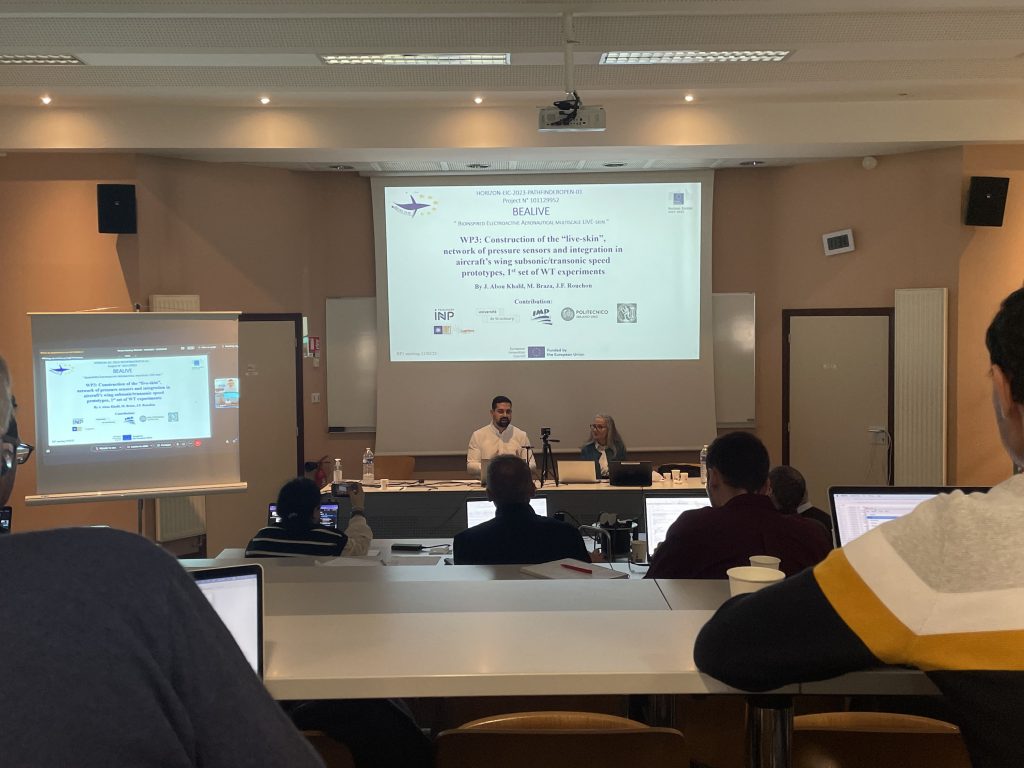
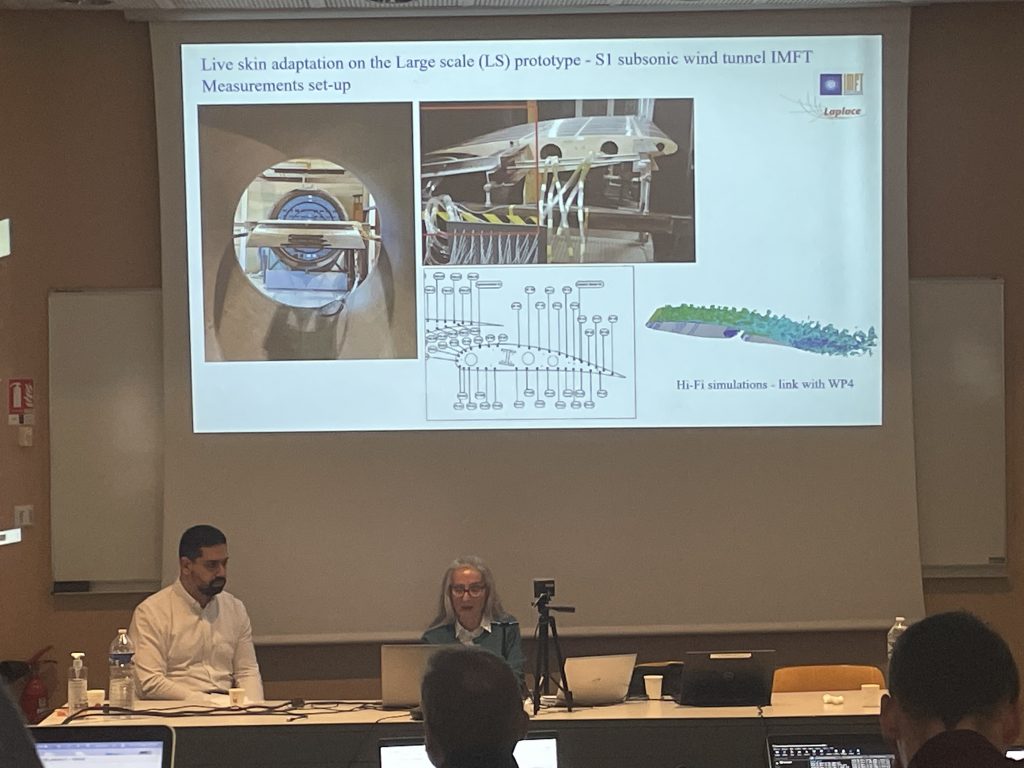
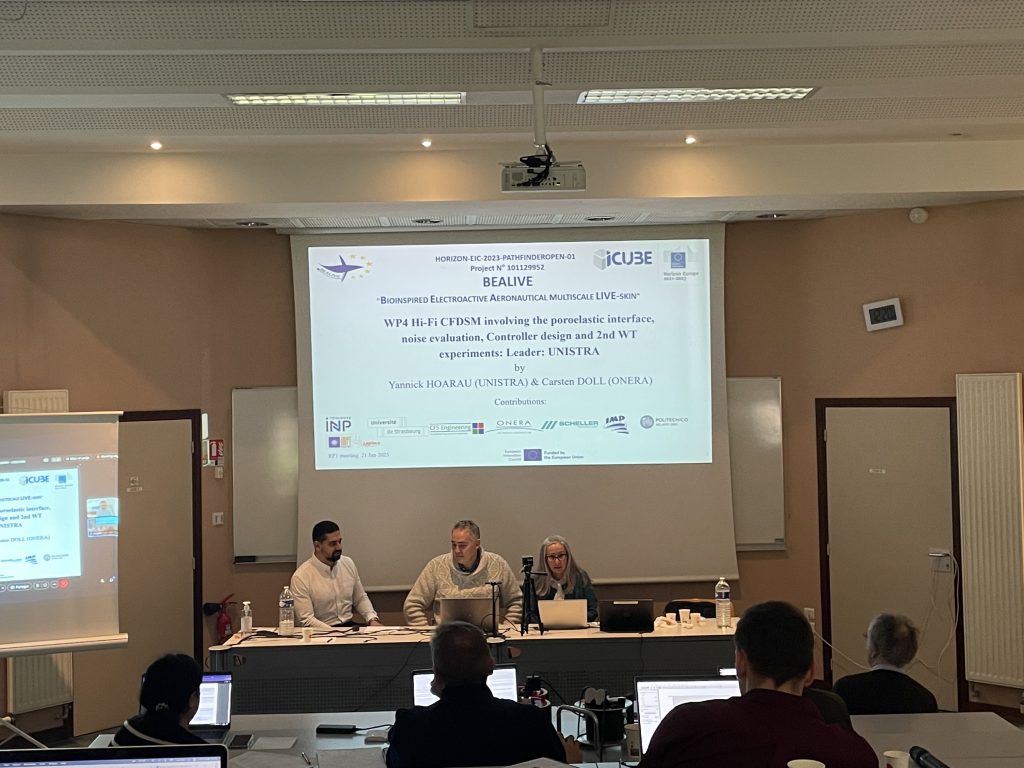
On February 21th, 2025, the project successfully completed its first year with an enlightening review from four experts in the domain, under the supervision of the Project Officer Dr. Nikolaos Stergiannis . The meeting took place at the Engineering school ENSEEIHT in Toulouse, France.





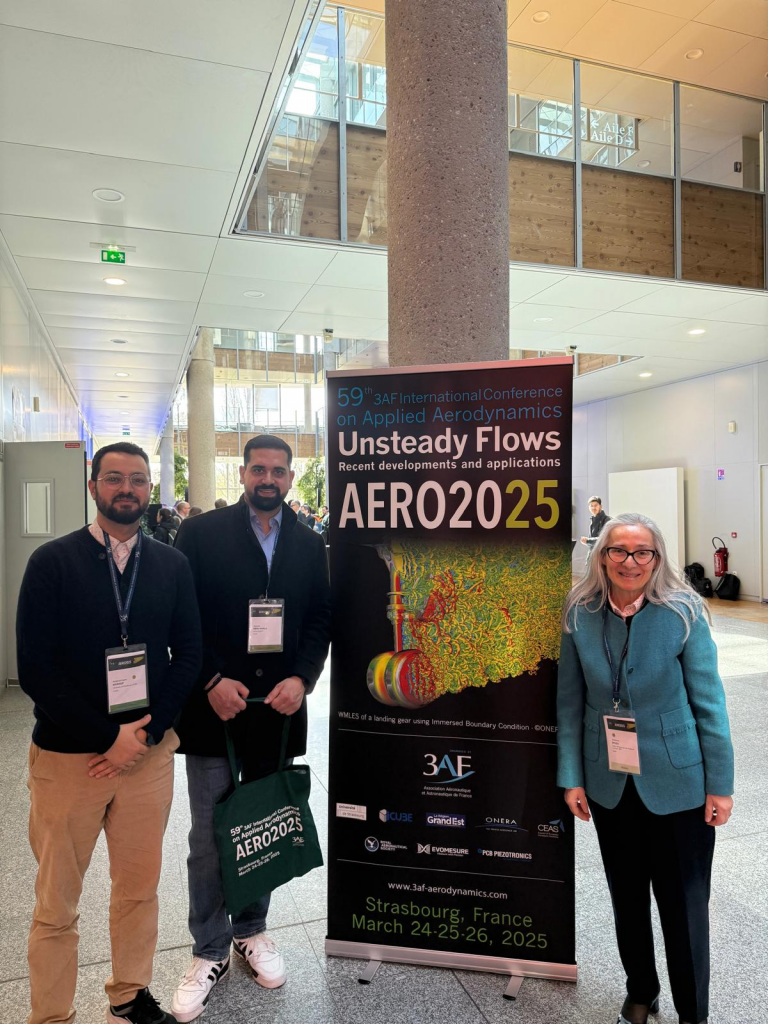
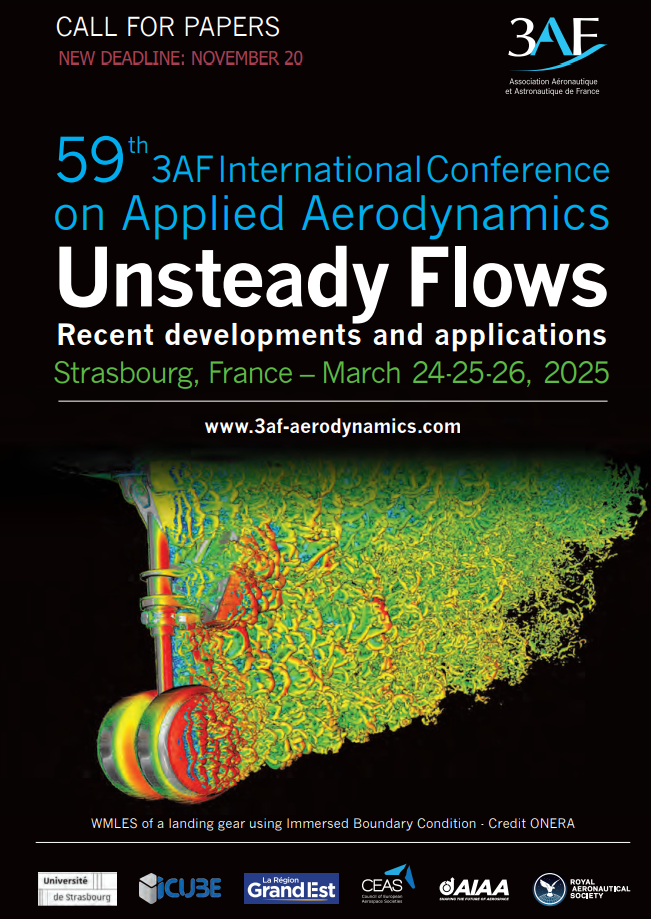
Cover image in the call for papers for the 2025 3AF International Conference on Applied Aerodynamics (59th edition), selected from our aerodynamic simulation results in takeoff conditions at high-Reynolds number. A collaboration between ICUBE and IMFT.

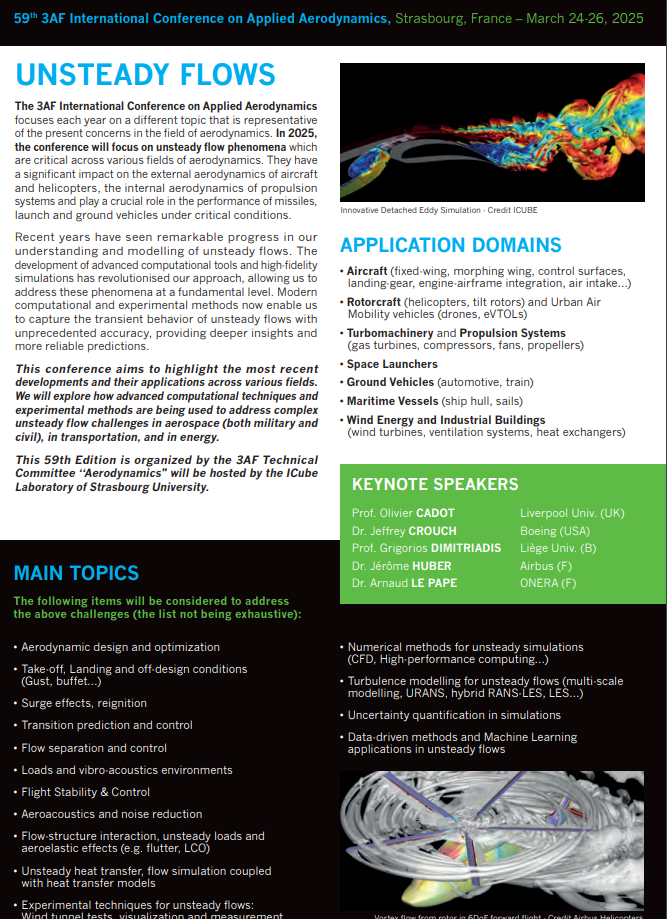
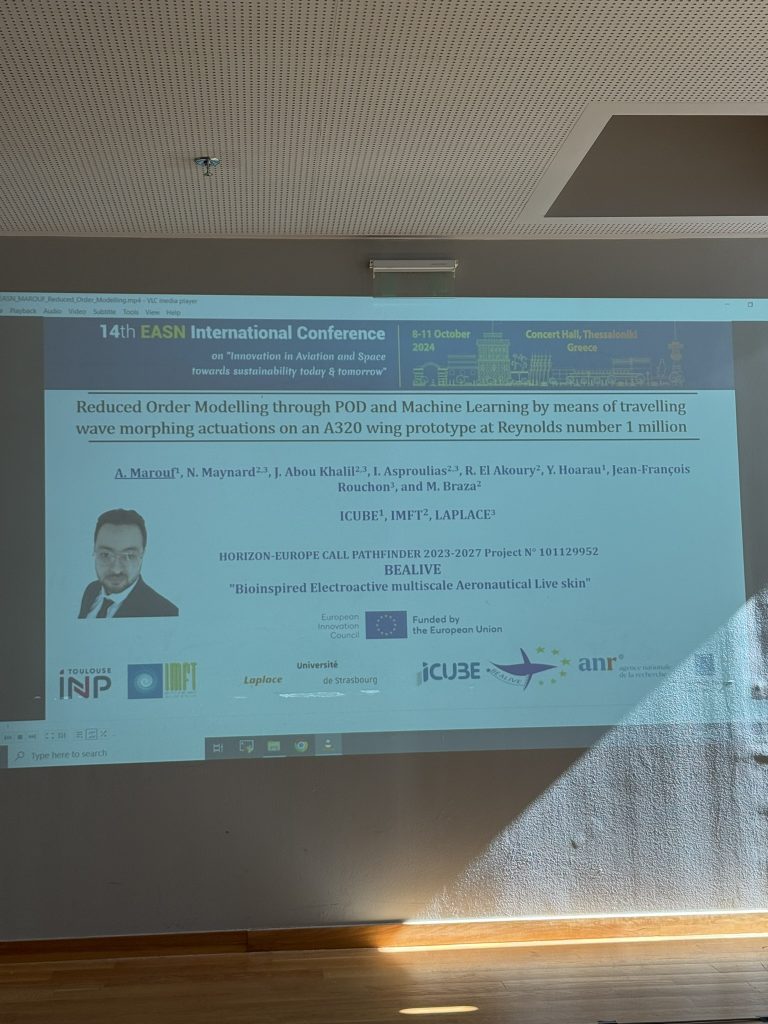
The Eu project BEALIVE has participated in a special invited session in the 14th EASN International Conference, an event focused on “Innovation in Aviation & Space towards sustainability today & tomorrow”, hosted by EASN Association and the Aristotle University of Thessaloniki. The conference will be held from October 8th to 11th, 2024, in the lively city of Thessaloniki, Greece, at the renowned Concert Hall of the city.

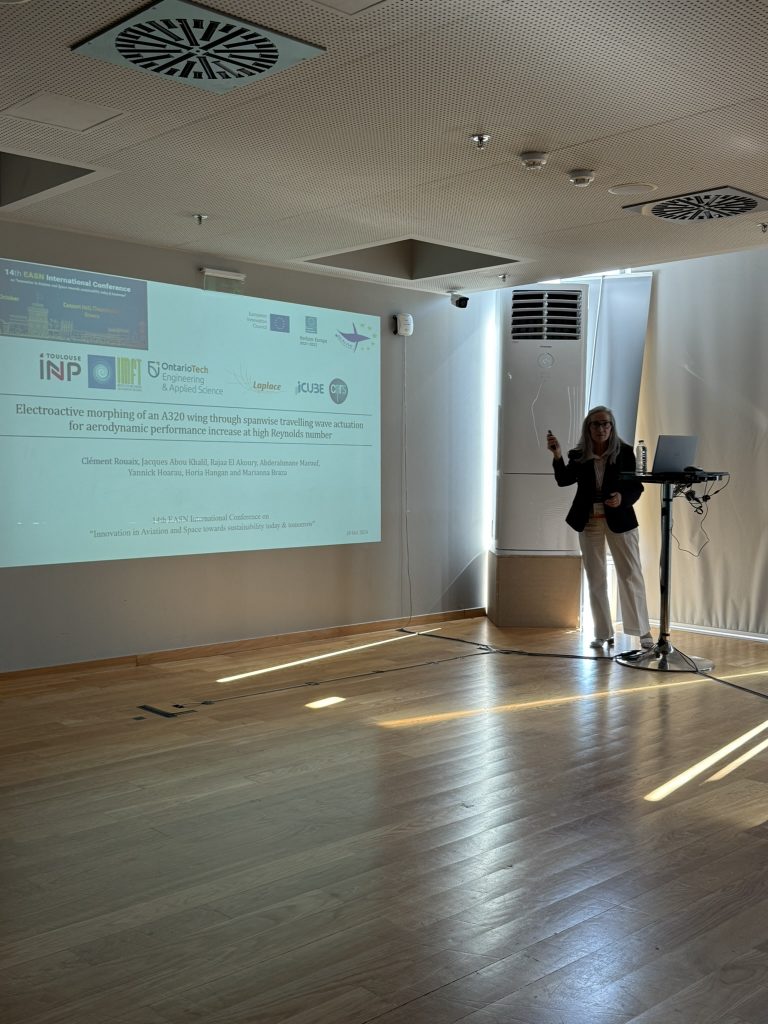


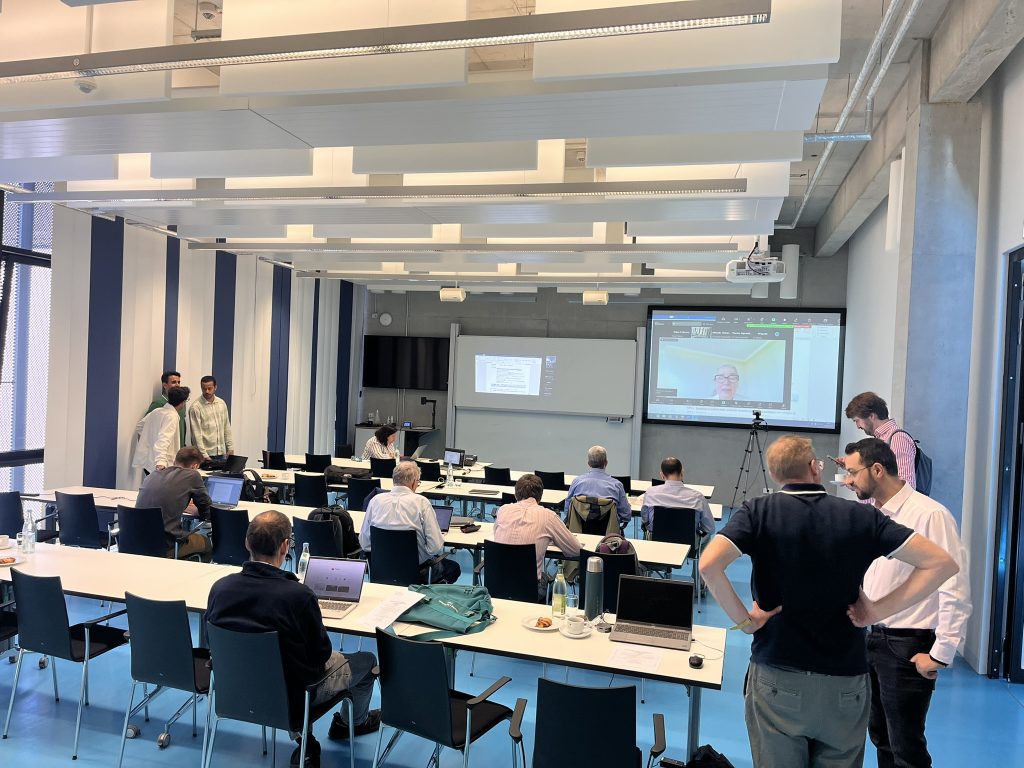


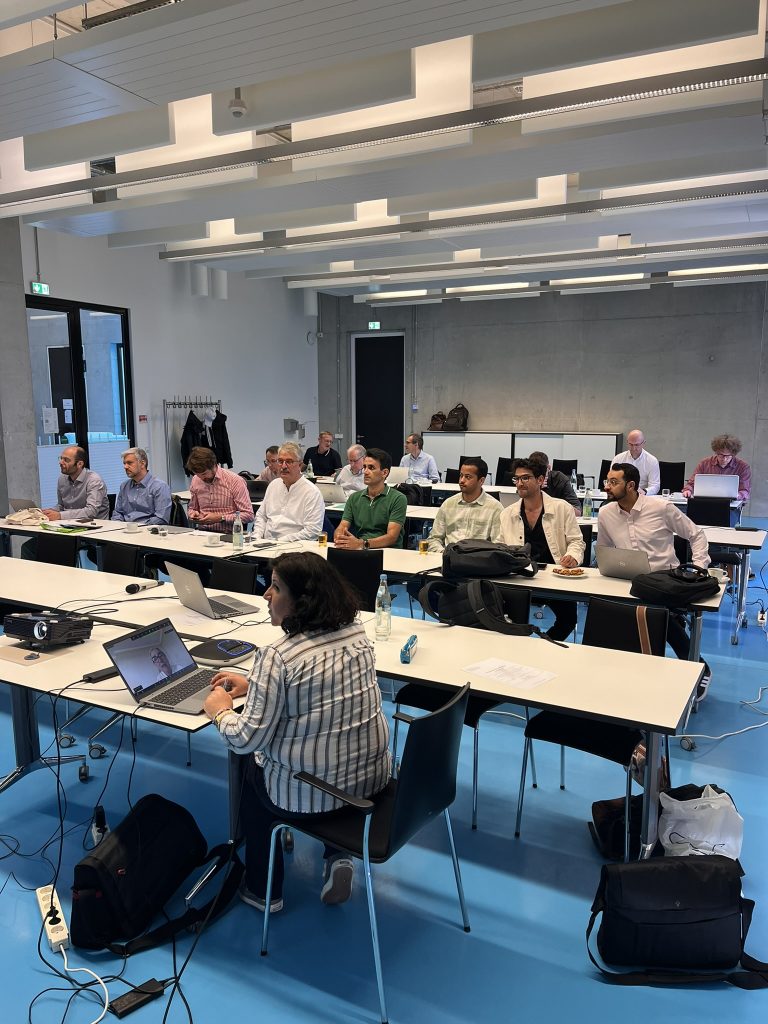

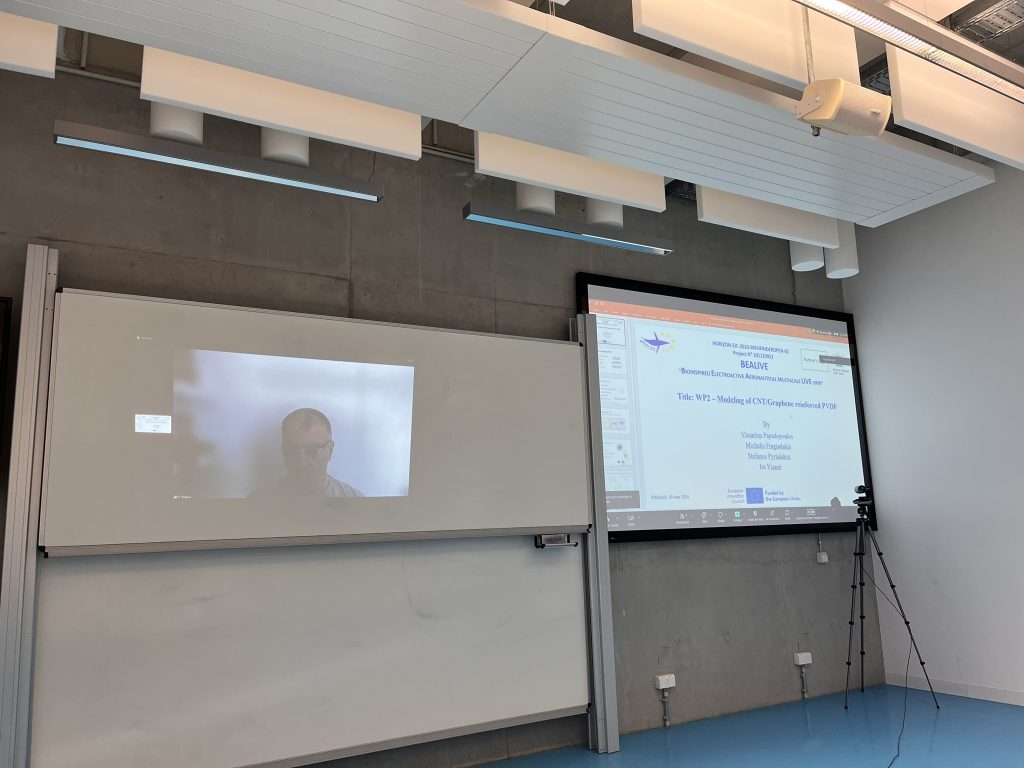
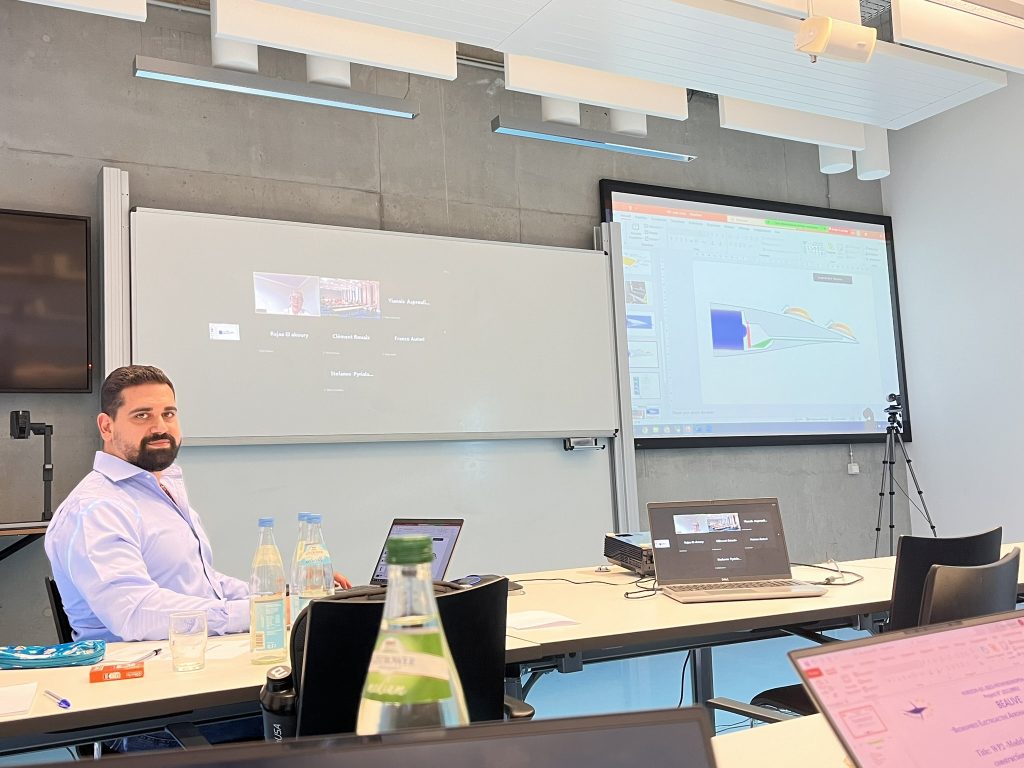
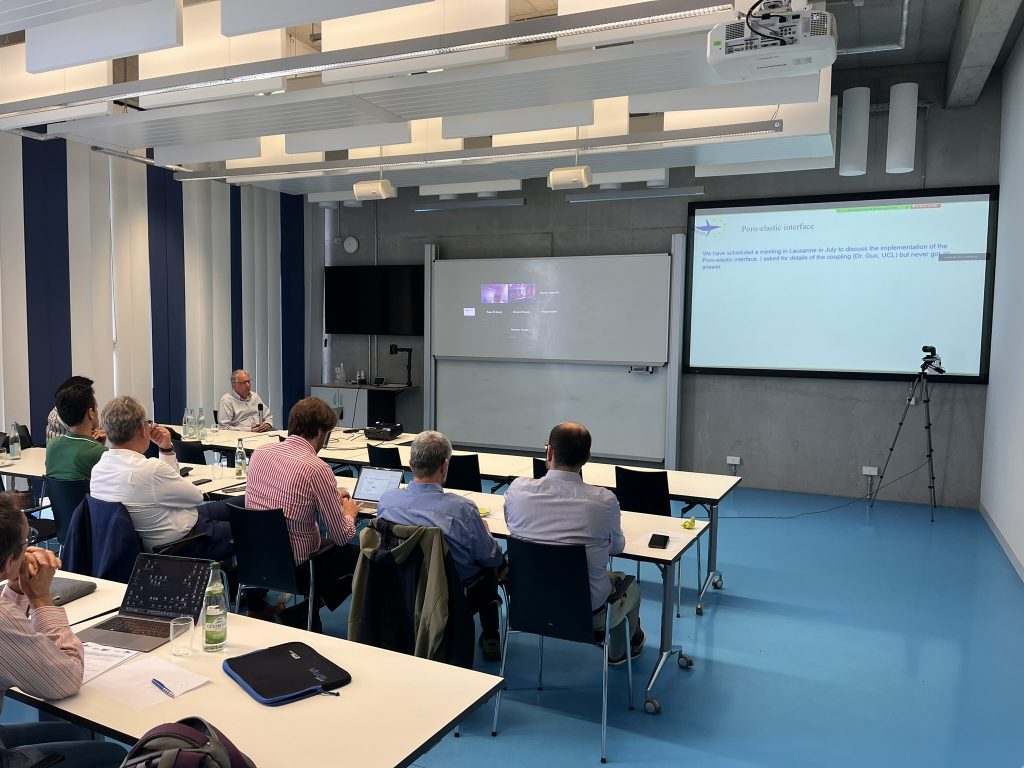


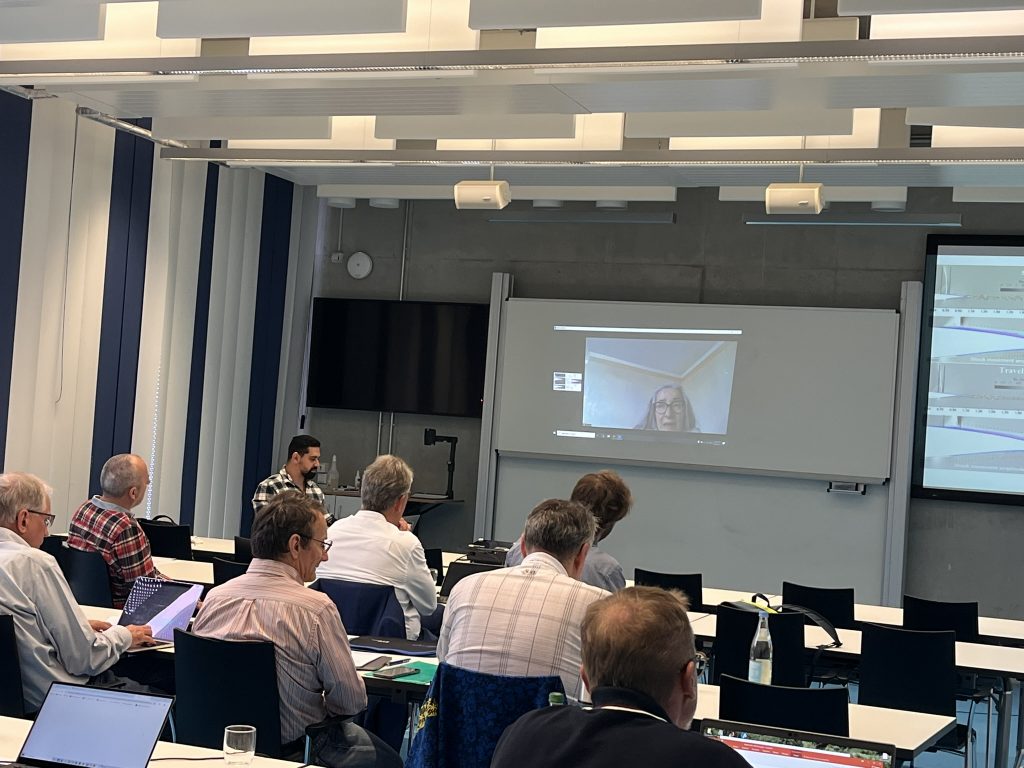




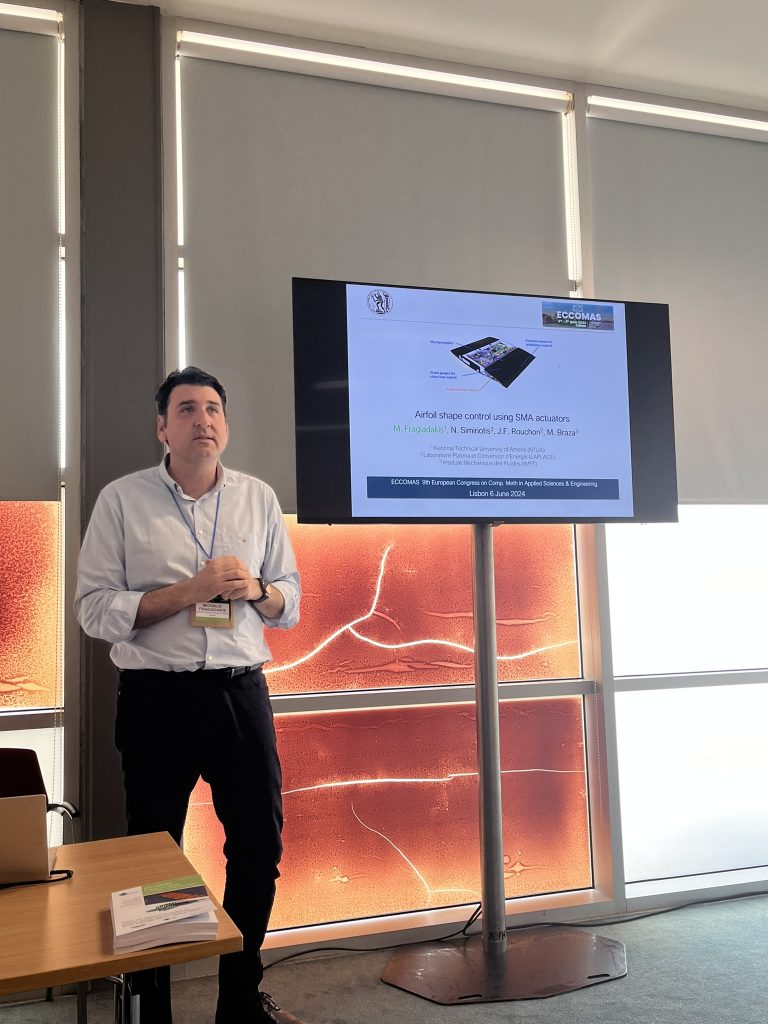
TECHNICAL INVITED SESSION: Disruptive Aircraft’s Wing Configurations towards Greening of Aviation I 06/06/2024

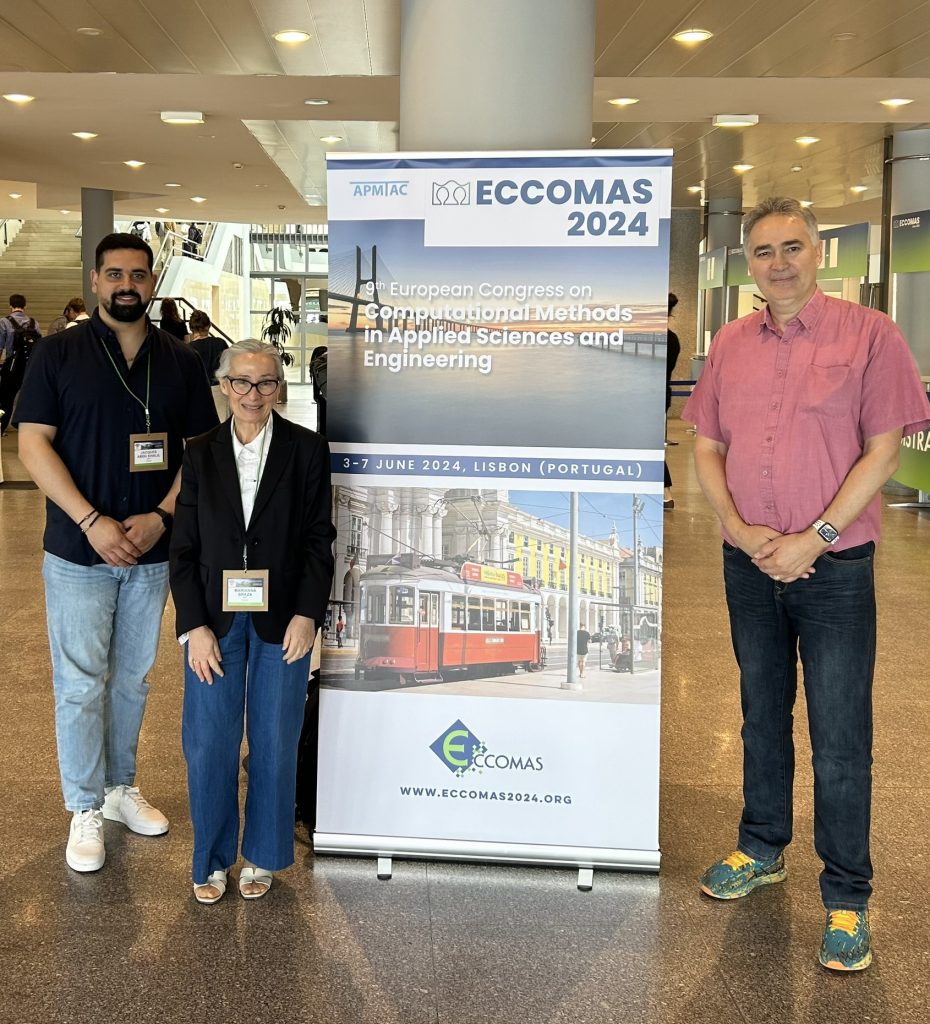
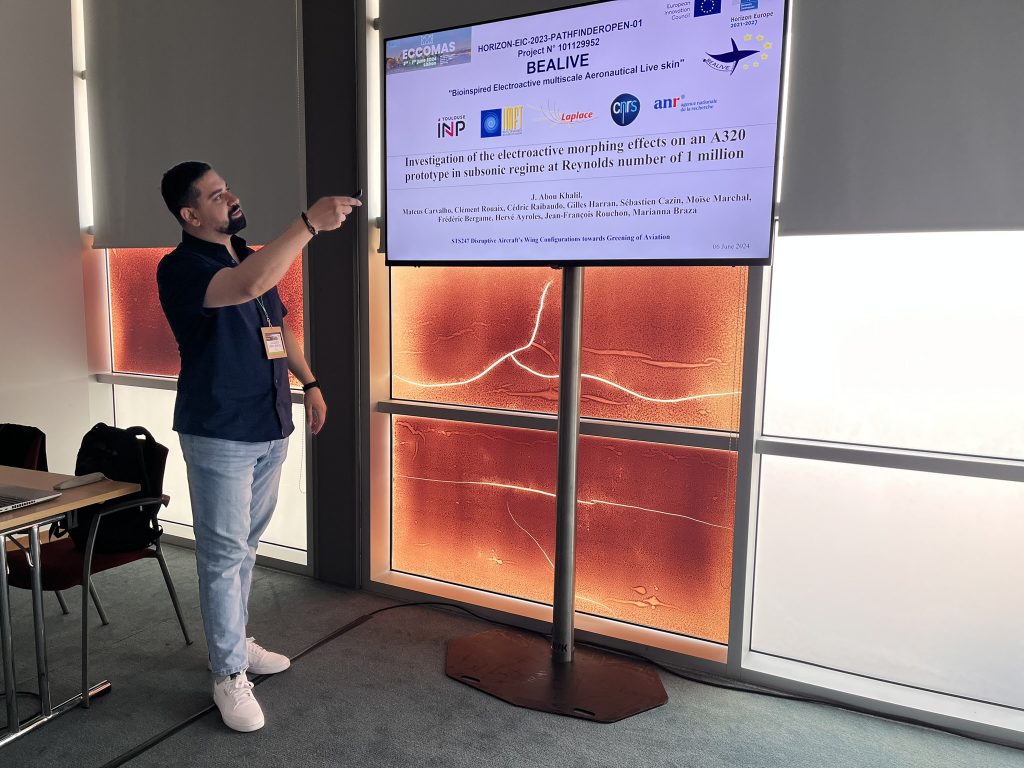
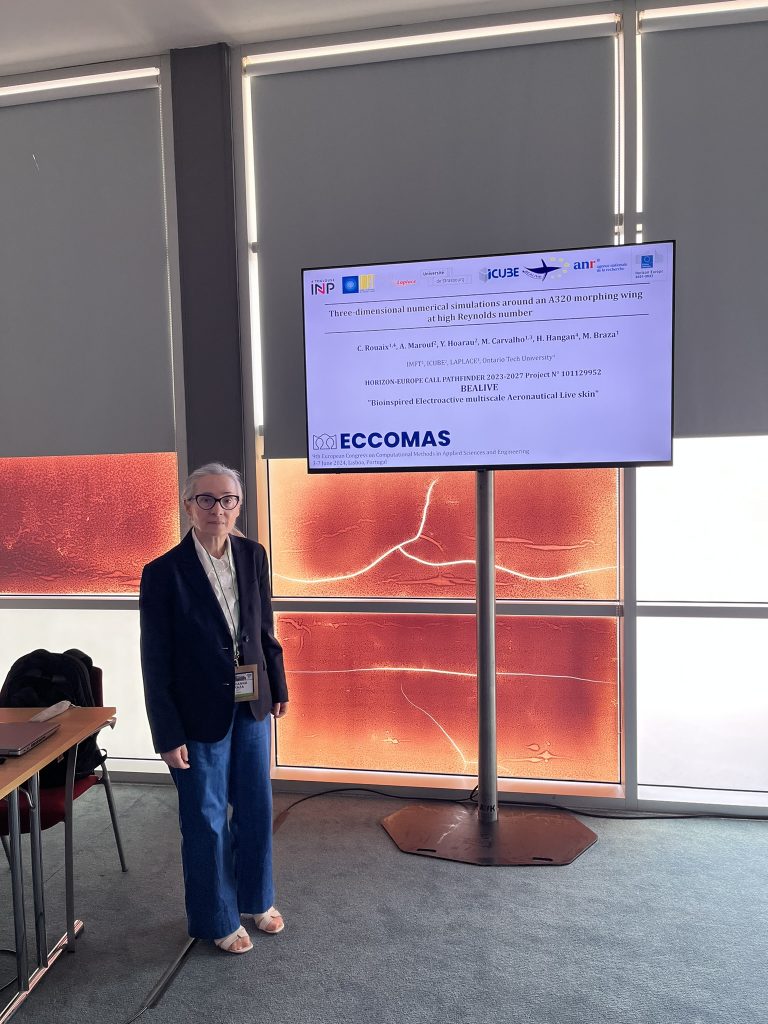


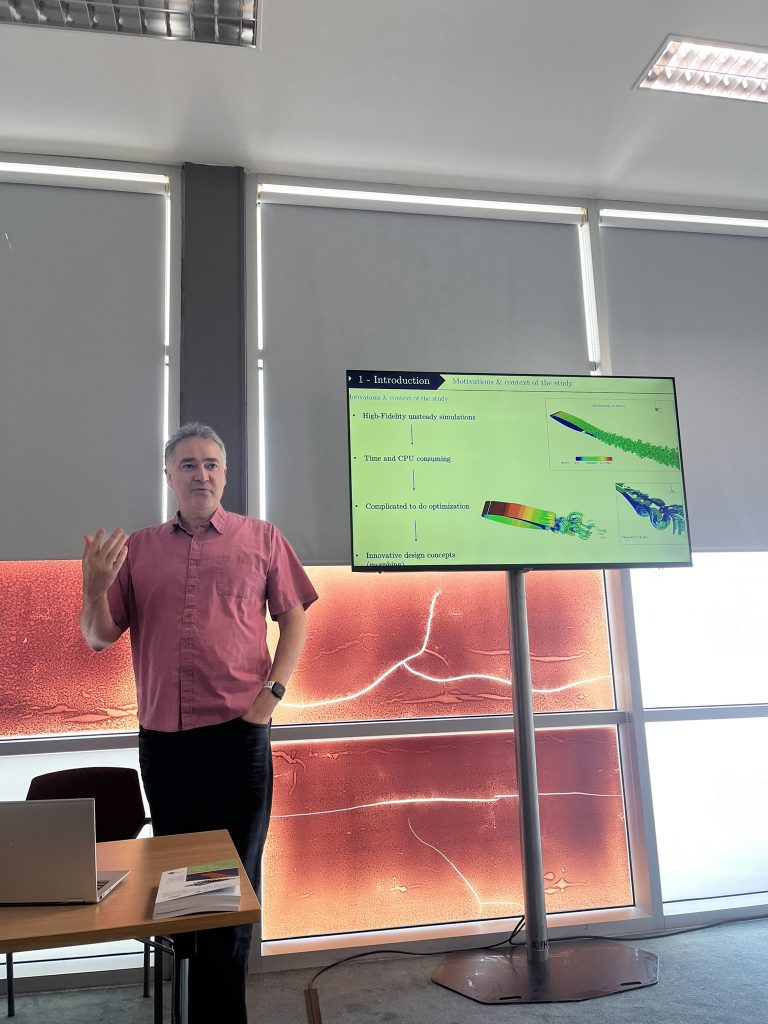
Results of the PhD student (Clément Rouaix) and post-doc (Rajaa El Akoury) from IMFT have been selected for the cover page of the book of abstracts in the ECCOMAS conference.


STRASBOURG UNIVERSITY CAMPUS, FRANCE May 24 – 27, 2024

The 3AF International Conference on Applied Aerodynamics, Orléans, France – March 27-28-29, 2024



Toulouse, France, 15th/16th January, 2023


Inspired from the highly efficient aerodynamics of birds, the versatility of the jelly-moon fringes, the manta ray and sharks, the multidisciplinary project BEALIVE introduces a new science and technology at the interface between aeronautics and bioengineering. The project creates a “live skin” composed of an innovative moving interface between an air-vehicle and the surrounding turbulence. Applied around a body, e.g. around an aircraft’s wing, this contributes to increase the aerodynamic performance and reduce noise far beyond all systems currently under study. The solid-fluid interface is composed of a large number of electroactive fringes made of an optimized combination of Carbon-Nano-Tubes and Graphene with high sensing and actuation capacity, able to deform and vibrate. This allows the skin to interact with the surrounding inhomogeneous turbulent flow. The interface between the solid and the fluid consists of the active fringes (shells) forming a porous-medium, modeled by poroelastic theory. The interaction and manipulation of the fluid-structure and fluid-fluid turbulent interfaces will create an optimal new medium with no distinction between the fluid and the solid structure. The “live skin” and the overall design will contain Big Data and rely on Artificial Intelligence and on a Controller that will define and optimise the dynamics of the system in real time and in large scale. The optimization will be based on data assimilation from Wind Tunnel experiments and from Hi-Fi CFDSM (Computational Fluid-Dynamics Structural Mechanics) using a triple solver coupling: structural modelling (SM), porous layer and turbulent flow. The design has as kernel a hierarchy of the interfaces, from micro to macroscale, between material-material, material-flow and flow-flow. Such enhanced levels of manipulation will allow drastic increases of aerodynamic performance and energy efficiency in all flight phases, beyond any currently foreseeable
targets.